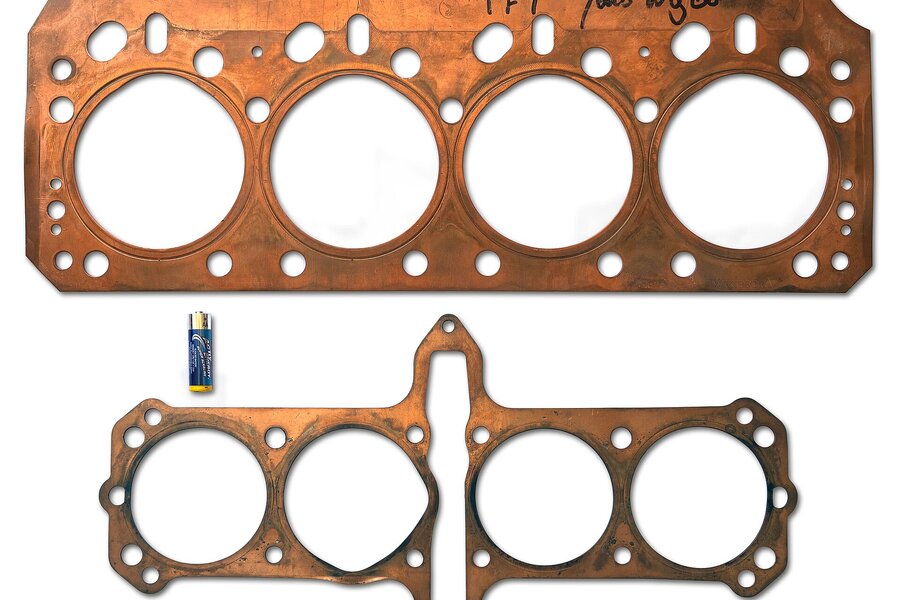
Mechanics with any experience in working on an engine, tractor or small machine have heard about copper cote. It is a spray-on gasket that consists of metallic copper. The name occasionally is called “Copper Coat” like “K&W Copper Coat.”
This guide will help you to understand what copper cote is, how it works, and when to use it in a repair. There’s also a quick and easy step-by-step guide, safety advice and answers to frequently asked questions.
What Is Copper Cote?
Copper cote is the general term used for an aerosol gasket sealer that has copper particles in it. It is sprayed on a gasket and forms a thin, tacky, copper coloured film.
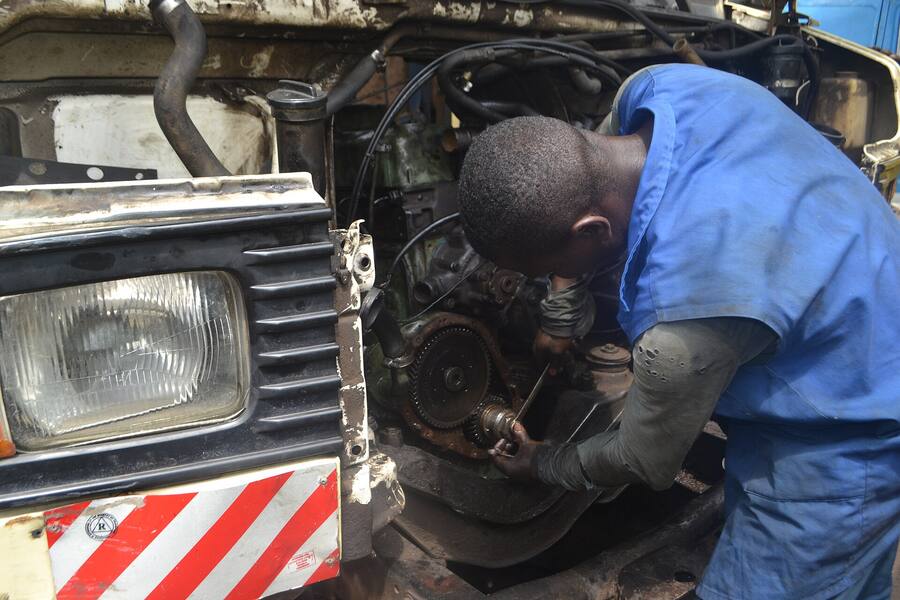
If you enjoy practical repair guides, also read our tips on common renovation mistakes to avoid, how to plan a home improvement project and simple ways to modernize an older home.
The products in this group are intended for use in hot and heavy work. K&W’s Copper Coat is a high temperature aerosol metallic gasket sealer which is used to prevent compression loss of high quality gaskets. There is a similar product called Copper Spray-A-Gasket from Permatex.
The idea is simple. The film provides better sealing and retention of the gasket to the metal around it
Other Names You May See
This product is called by various names by brands. If you search for any of these, you will get into the same category:
For more hands-on car care and repair advice, see Popular Mechanics.
- Copper Coat
- Copper gasket spray
- Copper gasket sealer
- Copper Spray-A-Gasket
- Hi-temp gasket sealant
How Copper Cote Works
Copper cote is made with two main uses for copper. First, it’s used to close up small imperfections in the gasket and in the metal surface. Second, copper can conduct heat, the film is a heat distributor, thus avoiding the occurrence of hot spots. According to Permatex, its copper spray has a beneficial effect when it comes to heat transfer and gasket burning.
The film is also sticky for some time. The tackiness assists in lining up parts during installation of the gasket. One South African manufacturer, Spanjaard, states it can spray copper gasket that will “tackify” about two minutes after application, then realign the gasket for up to an hour.
Here’s one thing to be noted. Copper cote should NOT be used in place of a gasket. The gasket’s sealing ability is softened and
Key Features to Look For
- Metallic copper for heat transfer and filling small flaws
- A tacky film that allows repositioning
- A stated temperature range (Permatex lists -50°F to 500°F)
- Resistance to shop fluids (Permatex includes gasoline in its list)
Limits differ between brands, so always read the label on your can.
Where to Use Copper Cote
Copper cote is popular on gaskets that face heat and pressure. Makers list uses such as:
- Cylinder head gaskets
- Intake gaskets
- Exhaust manifold gaskets
- Turbocharger flanges
- Automatic transmission cover plates
- Hydraulic pumps and diesel heads
It also helps on vertical surfaces. Because the film is tacky, the gasket stays put while you fit the part.
When Not to Use It
Spray gasket products are not right for every job. Pause and check first in these cases:
- The gasket has a printed sealer coating. Some experienced mechanics advise caution with printed-seal head gaskets. Read the gasket maker’s instructions first.
- The engine maker says to install dry. Follow the service manual.
- The part is warped or damaged. Copper cote fills minor flaws only. It will not repair a bad surface.
How to Use Copper Cote Step by Step
Follow these steps for clean, even coverage.
- Clean both mating surfaces. Remove old gasket material, oil, and dirt. A clean surface helps the gasket seat properly.
- Inspect the new gasket. Make sure it is the right shape and has no tears or kinks.
- Shake the can well. The copper particles settle, so mixing matters.
- Spray a light, even coat on both sides. Permatex directs users to apply its spray to both sides of the gasket. Mask nearby parts to avoid overspray.
- Wait for the film to turn tacky. K&W lists a dry time of about one to two minutes. Your brand may differ.
- Position the gasket and assemble. Tighten fasteners in the correct pattern and to the torque spec.
- Clear the nozzle. Turn the can upside down and spray briefly so the nozzle does not clog.
Safety Tips for Spray Gasket Products
Aerosol gasket sprays are not soft products. Copper Coat is very flammable, is rated at BLEV -4°F, be very careful of them, particularly when listed by K&W.
- Perform work in a ventilated area.
- Never set cans near flames, sparks and hot engine parts.
- Always wear protective clothing and eye coverings.
- Follow label and safety data sheet instructions before using
- Follow label instructions for storing cans.
Copper Cote vs. Grease and RTV Silicone
Not all mechanics are in complete agreement as to the most effective treatment for a gasket. The answers vary, as can be seen in one forum thread, with some smearing a thin film of lithium grease on both sides, and others spraying on a copper product.
There are numerous types of grease available—and they’re easy to apply. Some individuals choose to use copper cote because they fill small imperfections and stop gasket from slipping when installing.
Note: It is NOT a tool for RTV silicone. No Gasket – A thicker sealant that will seal by itself. A copper spray is a thin film which helps support a gasket. Choose the correct product for the part and manufacturer’s recommendation.
How to Remove Old Gasket Spray
Removal is straightforward. K&W lists gasket remover as the removal method for Copper Coat. Soften the residue, then scrape gently with a plastic or soft scraper. Avoid gouging soft metals like aluminum, because scratches can cause leaks later.
How to Choose the Right Product
When you are in search of copper cote, see a number of basic factors:
- Temperature rating: Match with the temperature the part will be exposed to.
- Application: Review and ensure head, intake or exhaust use is checked.
- Can size: Common sizes 9oz or 400ml aerosols.
- Brand & label: Copper Coat, copper gasket spray or Copper Spray-A-Gasket.
- Fuel resistance: Check it to make sure it is resistant to fuel, oil or coolant as needed.
Always use a recognized brand and retain technical data sheet for reference.
Common Mistakes to Avoid
- Skipping cleaning. Residue from old gasket prevents gasket from seating flat.
- Spraying too heavily. A wet coat can get messy and wet.
- Assembling too early. First allow the film to come to tack, then proceed.
- Ignoring torque specs. The sealant cannot repair loose or uneven bolts.
- Using as a cure. Will accept a good gasket. Does NOT preserve a failing one.
Final Thoughts
Copper cote is a simple, low cost auxiliary for Heated Gasket jobs. The copper film has a good sealing ability to seal small cracks, has good thermal conductivity, and can keep the gasket in place when assembling. Not a cure-all, only works on clean flat surfaces, with a good gasket.
Read the gasket manufacturer’s instructions and your engine manual BEFORE spraying. Apply light coat, wait until tacky coat and wear the safety precautions for flammable aerosol products. If it is used properly, copper cote can aid assembly and provide a long-lasting and tight seal.
FAQs
What is copper cote used for?
Copper cote is used to help gaskets seal and stay in place on high-heat parts. Common uses include head gaskets, intake gaskets, exhaust manifolds, and turbo flanges. The copper content fills small surface flaws and helps move heat.
Is copper cote the same as Copper Coat?
In most cases, yes. People often search for this spelling when they mean copper gasket spray. K&W uses the name Copper Coat, while other brands use their own product names. Check the can for its exact use and limits.
Can I use copper spray on a head gasket?
Many mechanics do. K&W lists head and intake gaskets as ideal uses for its Copper Coat. Still, follow your engine maker’s advice, and be careful with gaskets that already have a printed sealer coating.
How hot can copper cote get?
It depends on the brand. Permatex lists a range of -50°F to 500°F for its copper spray. Other products may be rated differently, so read the label for your exact can.
How long does it take to dry?
It varies by product. K&W lists one to two minutes, and Spanjaard says its spray turns tacky in about two minutes. The film is meant to stay tacky, not dry hard.
Can a spray fix a leaking or damaged gasket?
No. These sprays fill minor surface flaws and help position a gasket. A torn gasket or a warped surface needs to be replaced or repaired.