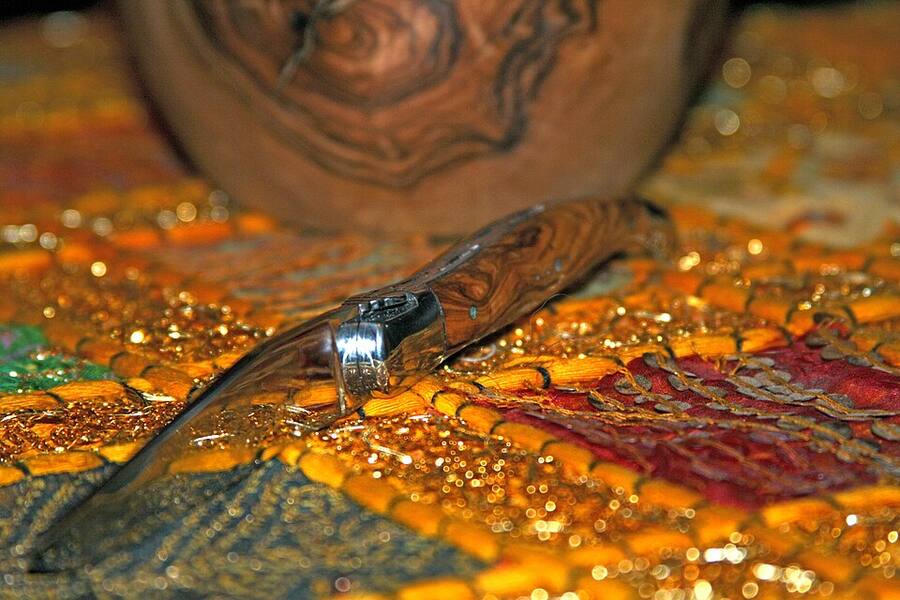
Coutellerie is a craft and art of knife-making, scissors-making, and other cutting tool-making. In French, it's also a shop selling cutlery.
When many people are looking for a coutlier, they are looking for a better kitchen knife, pocket knife, or gift. It can be a confusing selection. There will be numerous different steels and forms and costs.
This guide provides simple explanations for the basics. You will get to know the history, the main types of products, the materials of the blades, and how to take care of them. After that, you can purchase with confidence!
For more French craft and design, see our guides to Verrerie de Biot, Copper Côte and Côté Sud magazine.
Coutellerie refers to what kind?
The term is derived from the French word "couteau," meaning "knife." "Coutellier" means "someone who makes or sells knives."
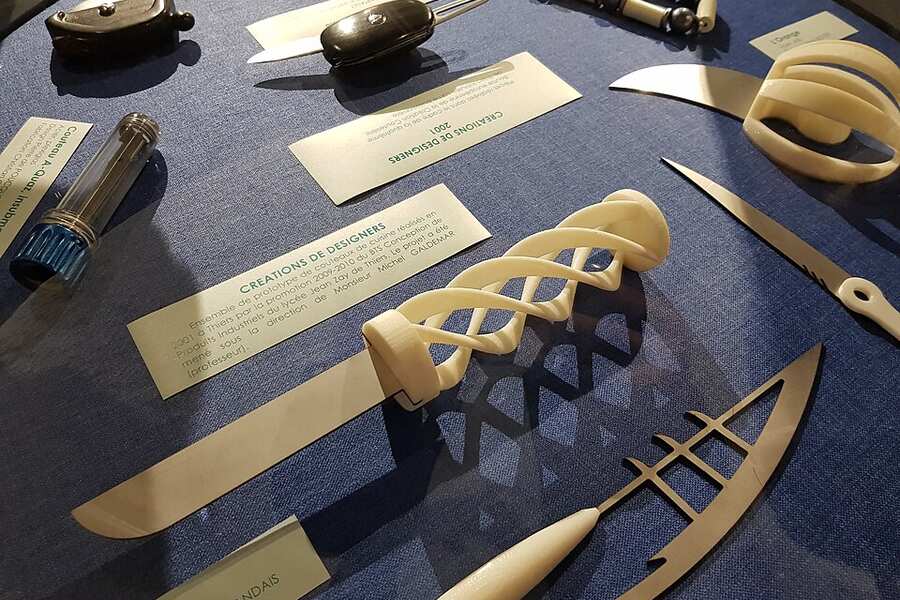
Thus, coutellerie encompasses the workshop as well as the article of clothing. It is used for kitchen knives, table knives, folding knives, hunting knives, and scissors.
In English, the word 'cutlery' is used. That word is typically an indicator of forks, spoons, and table knives. The French word is broader. It emphasizes blades and the skill associated with them.
For more food and kitchen coverage, browse the food section at The Guardian.
Lire la petite histoire de la coutellerie française
The making of knives is one of the most ancient of human crafts. The first blades were of stone, followed by bronze and later, iron and steel.
Coutellerie was well established in a number of areas in France. Thiers, in the Auvergne region, has been known as the "capital of cutlery" in France. The thin folding knife is the specialty of Laguiole, Aveyron. Also with a long history, Nogent in Haute-Marne produces knives and scissors.
Another popular brand is Opinel. Joseph Opinel made the first knives of this brand in 1890 in Savoie. The easy foldability gained popularity among hikers, farmers, and cooks alike.
These are examples of how French coutellerie is not a uniform style. It's a blend of local skills and traditions.
Main Products You Will Find in a Coutellerie Shop
A typical coutellerie store offers a number of groups of products. The following is a list of the most frequent.
Kitchen Knives
The most basic are chef's knives, paring knives, bread knives, and boning knives. A chef's knife will take care of most of the work in the kitchen. A paring knife will work best for small, precise cuts. A bread knife is a knife with a serrated edge, designed to cut through the crusts without damaging the inside of the bread.
The entire family enjoys the use of pockets and folding knives.
These knives fold into the handle. They're used for picnics, camping, work and daily carry. Parts of the world and cities have varying regulations on carrying a knife in public, so be sure to check local regulations before doing so.
Table and Steak Knives.
These knives really are designed for eating. Steak knives are usually serrated or very sharp to easily slice meat.
Scissors and Shears
Traditional makers also make scissors, kitchen shears, and garden shears. Good shears will fit together without any friction, and they are ergonomically designed to fit the hand.
Sharpening Tools
Keeping blades sharp with whetstones and honing rods and a guided sharpening system. A sharp knife is also safer than a dull knife because it requires less force.
Blade Steel Explained
The steel is what determines the abilities of a knife and how it ages and is taken care of. The principle choices are:
Easy to clean and resistant to rust: stainless steel. It's appropriate for most home chefs.
Carbon steel is very sharp and can be sharpened easily. It requires more care, as it is liable to rust or stain if left wet.
Damascus steel: layered steels that are hammered together. It is often purchased for its appearance but can differ in quality depending on the manufacturer.
Metal: cuts sharply for a long time. May crack or break if dropped or twisted.
If it's a serious coutellerie, they should be able to tell you to which steel each knife is made. Beware if the staff or the product page don't know the answer.
Handle Materials and Comfort
A handle has an impact on grip, balance, and long-term wear. Wood has a nice, warm feel to it and looks great. Typically wood, olive, walnut, and ebony are available, but wood requires light treatment.
Synthetic handles are durable and easy to clean. Metal handles are sturdy but may be slippery when wet.
It's not about the looks; it's about comfort. Preferably, put the knife in your hand before purchasing. Make sure that your knuckles don't touch the board while cutting.
How to Choose the Right Knife
Begin with the end in mind. So review these points:
Use: match the knife to the job, e.g., slice, chop, carve.
The balance and weight of the knife: some like a heavier knife, some light.
Blade shape and length: For most home chefs' knives, a blade measuring approximately 20 cm will be good.
Fit and finish—the blade should be straight, the handle tight, and the edges smooth.
Maker information: a clear maker name and steel type are good signs.
If you need a knife in the middle price range, you may get more value from a quality product that's made by a reputable brand than a cheap set. Most cooks use only 2 or 3 knives per day. Don't always go for the complete knife block.
Handmade vs. Industrial Knives
Handmade knives are formed by a craftsman and may be hand-finished. These tend to be more expensive and may take longer to get to you.
Industrial knives are manufactured using machines. This will help maintain a lower price and consistent quality.
Neither is always better in coutellerie. A good quality factory knife can outperform a substandard handmade knife. Look beyond the label; look at the knife's steel, finish, and reputation as made by the maker.
How to Care for Your Knives
Good care is about protecting your money and your safety. Make these simple habits a lifestyle:
Clean with a gentle soap and warm water.
Dry the knife immediately.
Avoid the dishwasher. Blades and handles may be damaged by heat and strong detergents.
Be sure to use a wooden or plastic cutting board. Glass and stone boards wear down the edge quickly.
Keep knives in a block, sheath, or on a magnetic strip—and never in a drawer without the blade held securely in some sort of protector.
Lightly from time to time, oil carbon steel blades and wooden handles.
Hone frequently, and sharpen as necessary. The typical angle of a common whetstone for kitchen knives is approximately 15-20 degrees on each side.
With proper care, a fine coutelier will function for years.
Tips for Buying Coutellerie Online
Online shopping is convenient—but you can't hold the knife. Go over the product page carefully. Examine the type of steel, blade length, the material of the handle, and the return policy. Look at reviews—preferably with photographs.
Beware of the name "Laguiole. It's very popular with knives produced in numerous locations. When it comes to origin, look at the country of origin of the knife.
Look for sellers that display good markers and have a warranty and are responsive.
Final Thoughts
Coutellerie isn't just a place to purchase blades. It's a craft that's got a lot of history, and it's really a skill. After you learn the fundamentals, purchasing is an easier task.
Look for your needs first. Select a steel that will be cared for. Select a grip that is comfortable in your hand. After that, obtain it from a maker or seller who's comfortable in disclosing the manufacture or source location of the knife.
Handle the knife with care and it will last a long time. A careful choice today pays off in every meal cooked, as good knives are tools we use every day.
FAQs
What does coutellerie mean?
It is a French word for the making and selling of knives, scissors, and similar tools. It can also mean a knife shop.
Which French town is best known for knife making?
Thiers is widely seen as the center of French knife making. Laguiole and Nogent also have strong reputations.
Is carbon steel or stainless steel better?
Neither wins every time. Stainless steel is easier to look after. Carbon steel is often easier to sharpen but needs more care.
Can I wash knives in the dishwasher?
It is best to avoid it. Heat, water, and strong detergent can damage blades and handles. Hand washing is safer.
How often should I sharpen my kitchen knife?
It depends on use. Honing often keeps the edge aligned. Sharpen when the knife struggles to slice a ripe tomato cleanly. For many home cooks, that is a few times a year.