
This coutelleries guide starts with a simple question: how could you not fall in love with it when you visit one of France's numerous courteries? Kitchen knives, folding knives, scissors, and table knives are stored on shelves for years.
Nowadays, coutelleries are more than shops. They are teaching grounds for steel, handles, and sharpening. This guide will tell you what they are selling, what to look for in a piece, and how to take care of your chosen piece once it is home.
You will learn here about the choices of daily cooking, the pocket knife collection, and a present to give below.
For more craft and style from the region, read our guides to a French knife shop, recycled sailcloth bags and Côte d’Azur jewellery.
Coutelleries Guide: What Are Coutelleries?
The term "coutellerie" is French for the process of manufacturing blades as well as the store selling blades. Many people spell the "near me" or "online" part of the query "knife shop" as plural, coutelleries.
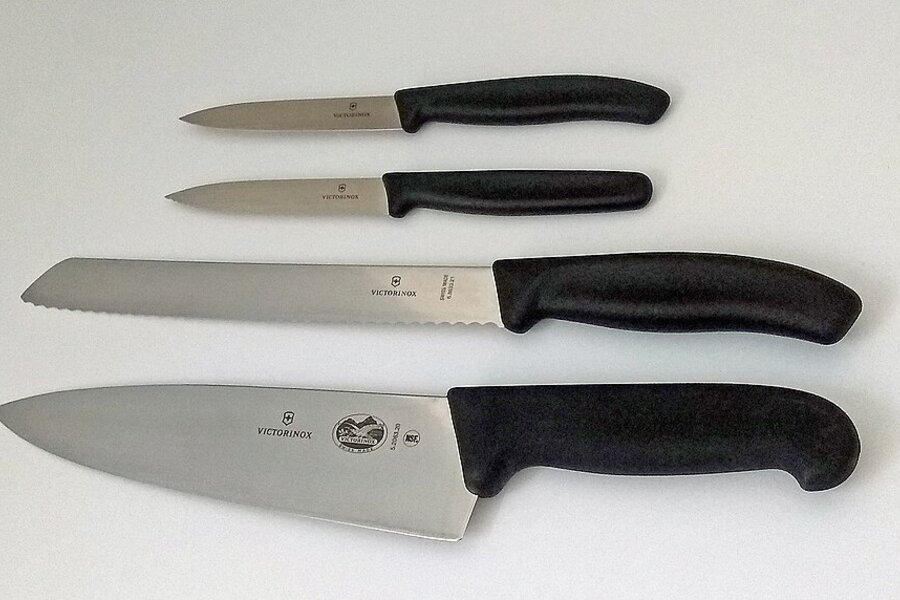
In an average shop, they sell:
Knives and knife sets for the kitchen.
For more food and kitchen coverage, see The Guardian.
Pocket and folding knives.
Scissors and shears
Cutlery for tables and steak knives.
Whetstones, Honing Rods, and Storage
Some Coutelleries produce their own products in a workshop. Retailers include those that sell multiple brands. They can all be appropriate options if staff are knowledgeable about their products and can articulate the difference.
The French Knife-Making Tradition — A Short Look
Knife manufacturing and cutlery has been the tradition of France for a long time. Thiers is the French town that is considered the hub of their cutler mechanics; it is located in the Auvergne region. Laguiole, in the Aveyron region, has a folding knife with the bee or fly motif on its spring. Nogent (Haute-Marne) also makes the connection with cutlery.
This heritage is a part of the reasons why many coutelleries are still popular among visitors and collectors. However, a well-known name does not imply a quality product. Always assess the knife in terms of its steel, finish, and build.
Main Types of Knives You Will Find
Kitchen Knives
The majority of stores sell a chef's knife, a paring knife, and a bread knife. These three perform the majority of daily activities. Most home cooks will find a chef's knife to be the ideal first investment, as it can perform a variety of tasks such as slicing, chopping, and dicing.
If you're making a special dish regularly, use specialty knives, like a boning knife or a santoku.
Pocket and Folding Knives
Folding knives can be easily carried around in a small space. If the knife has a locking mechanism, check to see if it is secure and has a smooth opening action. Make sure that the blade is straight when closed.
Table cutlery is a collection of scissors.
Kitchen scissors can cut through herbs, cut through the packaging, and trim up poultry. Table cutlery is sold in sets or as a single steak knife. Opt for pieces that appear to fit well in your hand.
How to Choose the Right Knife
Check the Blade Steel.
The performance and care of a knife will be influenced by steel.
Stainless steel doesn't rust, and it is easy to clean. It is good for most novices.
Carbon steel can be very sharp and is easy to sharpen, but if it gets wet, it can rust or darken.
Layered steel (also known as Damascus) can be an attractive choice. It comes in many different varieties; inquire about the blade material.
Look at the handle
There are wood, plastic, composite, horn, and metal handles. Wood has warm looks but requires more care. Tough, easy to clean composite and plastic handles. Choose the one that is comfortable and secure even if your hands are damp.
Feel the Balance and Weight
A well-balanced knife has a feeling of stability. Some cooks prefer to use heavier blades for power. Others like to have a light blade because it's fast. There's no right answer, so do not hesitate to hold the knife before you decide when you can.
Ask About the Tang
The tang is the part of the blade that extends into the handle. A full tang is all the way from the handle to the end and is a feature that is seen as a sign of good construction. This is one indicator of quality, but not the end-all, be-all thing.
What to Look for When Visiting Coutelleries
Now it is a great advantage to see it in person at a coutelier's shop. They allow you to hold the knife and ask questions prior to payment.
These are easy checks:
Inquire about the type of steel the blade is made of.
Grip the knife and ensure the grip is natural.
Search for the even edges, tight joins, and clean finish.
Inquire if the shop has sharpening or repair.
See the return/exchange policy.
A great seller will respond in a cool and honest manner. If you feel rushed or if the answers aren't detailed enough, then take your business elsewhere.
Budget Tips: Spend on What You Use Most
A large set is not required. Most cooks have one or two knives and use them for most of their work. In general, it's better to invest in a single excellent chef's knife than in a large slab of mediocre ones.
Consider the planned tasks for the Knife. A good mid-range stainless cook's blade will do for a casual cook. If a cook is willing to provide the extra care, he or she could find a more expensive carbon steel knife.
Not all the time is there a relationship between price and quality. Consider the materials, finish, and reputation of the maker, and not the label.
Purchase from Online Coutelleries
Online retailers can provide you a lot more choices, and it is easy to compare prices. There are also reviews from other purchasers to read.
The drawback is you can't hold the knife first. To minimize risk, review these:
The steel type is indicated in the listing.
The length of the blades and the total weight are displayed.
Photos are sharp, and both handle and blade are in view.
The return policy is easily accessible.
Real use, not just looks, is addressed.
Local coutelleries may be a better place to begin if you do not know the size or the grip. To try a few models and then purchase online once it has been determined what models work for you.
Knife Care and Sharpening Tips
The sharpest, best knife requires some maintenance. Simple practices can help make it last for decades.
Wash and Dry by Hand
Use a damp knife and wipe immediately to clean the knife. The edge can be dulled, handles may be broken, and marks may be left on the edge by the dishwasher.
Sharpen and Hone
Honing is the process of maintaining an edge between sharpenings. Sharpening takes a bit of metal away to form a new edge. A whetstone is a great piece of equipment for many and is normally used starting with a medium grit around 1000 and ending with a finer grit.
Some coutelleries will sharpen for you if you aren't sure. If this is an important consideration for you, ask before you purchase.
Store Safely
Always use a knife block, magnetic strip, or sheath. Avoid putting knives in a drawer, as they can have sharp edges that can cause injury. Cut on wood or plastic boards. Don't use glass or stone, as they can split the edge.
Knife Lovers Gift Ideas
Knives make gift ideas that are both practical and enduring. Popular choices include:
A good home cook's knife!
A collection of steak knives for a dining table
Folding knife for a hobbyist.
For the person who has a good set of knives, a whetstone kit is the answer.
Some Coutelleries also provide engraving service. This can heighten the personal touch of a gift, but please first review lead times and policies.
Safety and Legal Notes
There are various other rules regarding carrying knives that vary among countries and regions. Please read local laws before purchasing or travelling with a folding knife. Airlines generally don't allow knives in carry-on bags, so either pack them in checked luggage or adhere to the airline's rules.
Never cut towards your body, and do not have blades within reach of children.
Why Coutelleries Still Matter
There are plenty of manufactured knives around. Despite all this, coutileries can provide something unique: guidance, repair, and long-lasting products.
A knife that you know and love becomes a tool that you use, rather than discards. This is the meaning of a good shop. It assists you to purchase wisely and only once.
Final Thoughts
When selecting a knife, there should be no confusion. First, consider your needs, then your steel, handle, balance, and care. Do buy locally if you can and online reputable if not.
The best coutelleries sell more than products. They help you to know what you're purchasing and how to take care of it. Don't rush; ask questions and select a knife that is comfortable in your hands. It can provide you with many years of service if it is properly maintained.
FAQs
What do coutelleries sell?
Coutelleries sell kitchen knives, pocket knives, scissors, table cutlery, and sharpening tools. Some also offer engraving, repair, and sharpening.
Are knives from specialist shops better than supermarket knives?
Often, yes, because specialist shops tend to stock better steel and offer advice. But price and brand alone do not prove quality. Check the steel, the build, and the return policy.
How often should I sharpen my kitchen knife?
It depends on how often you cook and what you cut. Many home cooks sharpen every few months and hone more often. If the knife struggles to slice a tomato cleanly, it is time to sharpen.
Is it safe to buy from online coutelleries?
Yes, if you choose a seller with clear product details, real reviews, and a fair return policy. Avoid listings that hide the steel type or show only a few photos.
Which steel is best for a beginner?
Stainless steel is usually the easiest choice. It resists rust and needs less care than carbon steel.