Kw; solea flamenco
Solea flamenco is a style of flamenco that is among the most ancient and esteemed. You have most likely heard a slow and serious guitar with a powerful voice without realizing its name.
This guide is a description of what solea flamenco is, and how and where it sounds. You will also discover how the rhythm operates and how to be a listener, dancer or player enjoying it.
For more culture and music on the Riviera, read our features on conductor Lionel Bringuier, Monaco Independence Day and the French Riviera travel guide.
What Is Solea Flamenco?
Solea flamenco is a Palo. So, that’s the Spanish word for the style or form of a flamenco. Every palo has its own beat, tone and musical guidelines.
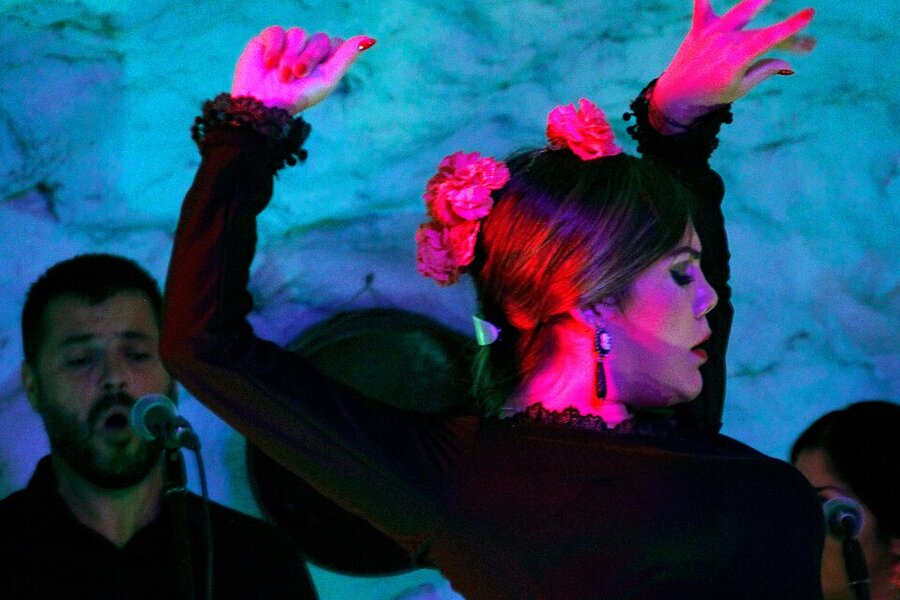
The name “soleá” is sometimes associated with the word “soledad” which means solitude. Love, loss, pain and hard times are common themes in the songs.
The soleá is often referred to as the “mother” of the flamenco styles. The feel and/or structure of other palos are similar. Its central role is accepted, although there are differences in historians’ details.
For wider coverage of the art form, see the flamenco section at The Guardian.
Solea flamenco is a good choice for beginners due to its slow tempo and emotional qualities.
Where Does Solea Flamenco Come From?
Soleá has developed in Andalusia, in southern Spain. Its earliest form is generally believed to be the 19th century.
Some such as Triana in Seville, Cádiz, Jerez de la Frontera, Utrera, Lebrija have a strong connection with its growth. The style received distinct variations from each location.
The flamenco itself evolved from the Andalusian Gitano (Roma) community, blended with other local music and culture. In 2010, UNESCO added flamenco to its list of Intangible Cultural Heritage of Humanity.
The art was passed on by ear, in family homes and gatherings. For this reason, there’s no one official origin story.
The Rhythm of Solea Flamenco: Understanding the Compás
The compás is the rhythm cycle that is the glue of flamenco. Solea flamenco is rythmized in a twelve beat cycle.
The main accents fall on beats 3, 6, 8, 10, and 12. The other beats are lighter.
The pattern is here, the accents are in bold:
1 – 2 – 3 – 4 – 5 – 6 – 7 – 8 – 9 – 10 – 11 – 12
Many musicians consider beat 12 to be a strong point. It is the place that the cycle comes to a standstill before it begins again.
Typically, tempo is slow to medium. This provides the singer, guitarist and dancer with space to convey emotion.
Everyone is kept together by palmas (handclaps) and jaleo (shouts of encouragement such as olé).
The Sound: Guitar, Singing, and Palmas
The sound of a soleá is influenced by three factors. There is a specific function for every one of them.
Cante (Singing)
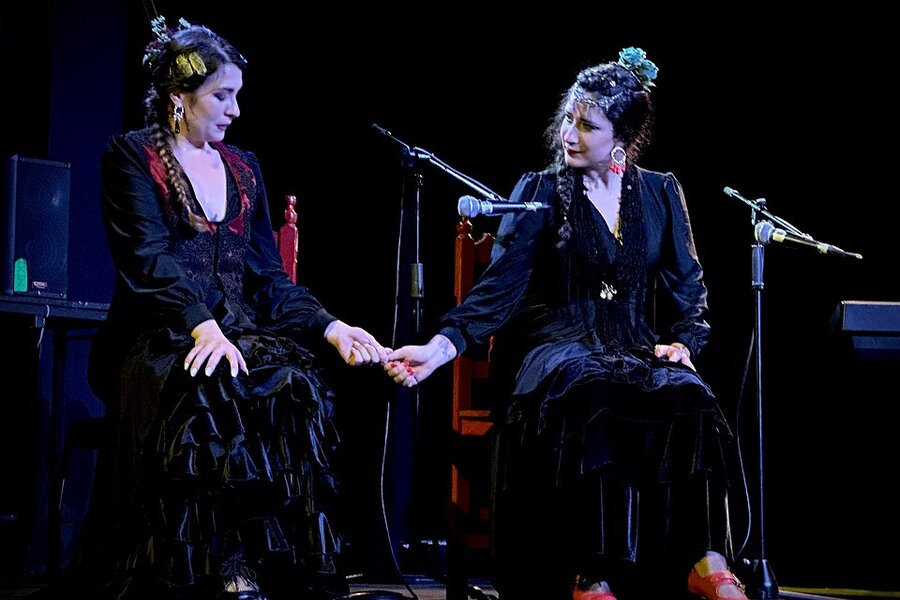
They sing short verses, coplas, by themselves, the male singer cantaor and the female cantaora. They are usually three or four lines in length.
Voice is raw, strong, emotional. Some words are stretched by the singer and some ornaments are added for expression.
Guitar
Solea flamenco is a style where the guitar is not just playing chords. It sets the key, indicates the compás and plays the melodic phrases between the verses, known as falsetas.
The music frequently features the Phrygian mode which results in flamenco’s tense, Spanish quality. Guitarists can use capo to match singer’s range.
Palmas and Cajón
The handclaps are the pulse of the show! Nowadays, a cajón (box drum) is usually included, but it is a relatively recent addition to flamenco and is not a part of the original tradition.
How Solea Flamenco Is Danced
Solea flamenco dance is not a fast game. It’s all about control, posture and presence.
Darters tend to move slowly, arms strong, and they stand high and proudly and are calm. Each break is as important as each step.
Here are some terms you may hear:
- Braceo: a graceful arm movement.
- Marcaje: a steady, marked walking step that keeps the compás.
- Llamada: a “call” indicating a change of section.
- Escobilla: a section of a dancer’s footwork, typically a highlight.
- Zapateado: rhythmic footwork.
- Desplante: a proud and fancy finishing movement
Many dancers finish with the faster part (usually bulerías). This moves from serious and deep to lively and playful.
Artists to Explore
There are several names that you should look for if you want to hear awesome soleá.
Paco de Lucía, Camarón de la Isla and Pastora Pavón are not to be overlooked as essential figures in flamenco history.
Look up the names followed by the word “soleá. You will discover that each artist will be able to provide a different shade to the style. Hearing several singers help you hear the personal nature of this music.
How to Listen to Solea Flamenco as a Beginner
This music is for everyone, no training required. There are a few simple steps that will make you hear more.
- Find the beat. Slowly clap and attempt to sense the 12 beat cycle.
- Follow the voice. Observe the singer’s accumulating of each verse.
- Pay attention to the answers on the guitar. The guitar will usually respond to the singer.
- Listen for the “calla” (call). It is used in a dance performance as an indicator for a start of a new part.
- Listen more than once! The style exposes new information every time.
Don’t be concerned with counting exactly the first time. Being in a frame of mind is a good beginning.
Tips for Learning to Play or Dance Solea Flamenco
A lot of students wish to progress from listening to learning. These tips can be of assistance.
- It is important that you learn the compás first. Repeat accent clapping until it becomes natural.
- Go slowly. The soleá is meant to be slow, and the key is good timing.
- Find a teacher. Flamenco is to be transferred from people, and there is a guide to help you in style and feel.
- Listen daily. Short bits of listening helps develop your ear.
- If possible, watch live. Artists show things recordings can’t.
Be patient. Flamenco is to be rewarded for regular practice and attentive listening.
Where to See Soleá Live
In many Spanish cities, there are little places that perform flamenco music, known as tablaos. Local clubs, peñas flamencas, for fans and artists.
Flamenco is also displayed on a grand scale at festivals like Festival de Jerez and the Bienal de Flamenco in Seville. Please consult the official website of each event for up-to-date dates.
Final Thoughts
Solea flamenco is not just a rhythm, it’s a dance. It is a language of sound and movement for storytelling. It moves people now because of its slow pace that affords time for deep feeling.
The first step is to learn the 12 beat compás. Then listen to some great artists and observe the interplay of the guitar, vocals and palmas.
If possible, attend a live show. There’s nothing like a room full of a soleá. Solea flamenco is a great starting point for those who wish to listen, play or dance.
FAQs
What is solea flamenco?
It is a core flamenco style with a 12-beat rhythm, a serious mood, and deeply emotional lyrics. It can be sung, played on guitar, or danced.
Why is soleá called the mother of flamenco?
Many artists use this phrase because the soleá is so old and central. Other palos share its feel or developed from its structure. The title is more of a tradition than a strict rule.
What is the difference between soleá and bulerías?
Both use a 12-beat cycle. Soleá is slower, deeper, and more serious. Bulerías is much faster and more playful. Some performances blend the two, which is known as soleá por bulerías.
Is solea flamenco good for beginners?
Yes. Its slower tempo gives new listeners and students time to hear the compás, the singing, and the guitar. A beginner’s biggest challenge is feeling the accents, and that comes with practice.
Do I need to know Spanish to enjoy solea flamenco?
No. The emotion comes through in the voice, the guitar, and the dance. If you want to understand the lyrics later, you can read translations of coplas.
Is solea flamenco always sad?
Not always. It is often serious and heavy, but the mood is also about pride, strength, and intensity. Different artists give it different shades.