The southern French sea-shore of the Mediterranean is the French Riviera or ‘blue coast' (cote azzurre). It passes through the borders of Italy, near Menton, up to Saint-Tropez with a tour of the cities of Nice, Cannes and Antibes. It's famous for its stunning seaside destinations, art, cuisine, laid-back coastal way of life and blue water, as well as the sun.
If you are interested in looking for the cote azzurre you might want to know where, when and how much planning is required.
The answers provided in this guide are simple and easy to understand to the above questions. The best towns, comparison of seasons, transportation solutions, food suggestions and itinerary are available. All the information you'll need here to help you make a smooth journey.
What Is the Cote Azzurre?
One of the common spellings of the Côte d'Azur is Cote azzurre. It's the Italian designation for the region, the Costa Azzurra. The majority of English speakers use the term French Riviera as a term for the area.
It became popular thanks to the name Côte d'Azur given to it by the author Stéphen Liégeard in 1887 by his book. This is the name that is now given to this stretch of coastline.
It's extremely convenient to explore the area because there are numerous towns located near one another. It's not too much trouble to break a single meal into breakfast and dinner.
Top Towns and Cities at a Glance
Each place has its own personality. This table shows what each one is best known for.
|
Destination |
Known For |
Best For |
|
Nice |
Promenade des Anglais, Old Town, markets |
First-time visitors, city and beach mix |
|
Cannes |
La Croisette, film festival, Lérins Islands |
Beach days, events, shopping |
|
Antibes |
Old town, Picasso Museum, Cap d'Antibes |
Walks, art, sea views |
|
Menton |
Lemon festival, colorful old town |
Quiet stays, gardens, close to Italy |
|
Saint-Tropez |
Harbor, beaches, nightlife |
Luxury and people-watching |
|
Monaco |
Casino, Prince's Palace, Grand Prix |
Short day trips |
|
Grasse |
Perfume history |
Culture and fragrance workshops |
Best Towns to Visit on the Cote Azzurre
Nice
The majority of tourists visit Nice. It's got the airport, the railway station, an old town with all the charm of it and a long stroll along the seafront.
Mornings on Cours Saleya: shopping. Stay in the hill to view over the bay. There will be many Nice beaches with lots of pebble beaches, bring your water shoes.
Cannes
Cannes is renowned for its film festival, but it's also a fun beach town. Go for a stroll down La Croisette and then visit the old town of Le Suquet.
It is only a boat ride to get to the Lérins Islands. They are a tranquil retreat from the hustle and bustle of the sea front.
Cap d'Antibes and Antibes.
Antibes is not so jam-packed as Nice or Cannes. A narrow street, a market that's held every day and a stroll along the ramparts by the sea in the old town of the city.
Picasso lovers can enjoy the visit of the Picasso Museum which is located in a château located on the seashore.
Menton
The city of Menton is near the Italian border and is renowned for lemons and its warm climate. The overall scene is quiet and tranquil with the buildings and gardens painted in pastel hues.
Monaco
Monaco is not part of France, but rather its own country. I think I might take a nice trip from Nice and it is very easy to see and very little, can be seen in a few hours.
Best Time to Visit the Cote Azzurre
The right month depends on what you want. Summer is lively but busy. Spring and early autumn are often a better balance.
|
Season |
What to Expect |
Good For |
|
Spring (April–June) |
Mild weather, blooming gardens, fewer crowds |
Sightseeing, hiking, events |
|
Summer (July–August) |
Hot, sunny, very busy, higher prices |
Swimming, beach clubs, nightlife |
|
Autumn (September–October) |
Warm sea, calmer towns |
Beaches, relaxed travel |
|
Winter (November–March) |
Cooler, quieter, some seasonal closures |
Culture, food, local festivals |
Late spring is popular for major events in Cannes and Monaco. Book early if you plan to visit then. In February, Nice holds its carnival and Menton hosts its Lemon Festival.
How to Get to the Cote Azzurre
By Air
Nice Côte d'Azur Airport is the main airport. It is the centre of a large number of travellers from Europe and overseas. There is a tram, bus and taxi from the airport and to the centre of Nice.
By Train
In France trains are used to take people from Paris to the sea shore. Regional trains come into the station as it is on the sea coast. They are an inexpensive and convenient method of travelling between towns – Nice, Antibes, Cannes and Menton.
By Road
Despite the pros to driving, summer driving and parking can prove to be a challenge. Train and bus are often easier to use, if you stay primarily in the main towns.
Getting Around Once You Arrive
Public transport is the smartest choice for most trips. Regional trains are quick between coastal towns. Local buses reach hilltop villages like Èze and Saint-Paul-de-Vence.
Saint-Tropez has no train station, so plan on a bus, car, or seasonal boat.
Is the Cote Azzurre Expensive?
The cote azzurre has a reputation for luxury, and some areas deserve it. Beach clubs, waterfront restaurants, and summer hotels can cost a lot.
But you can travel smartly:
- Visit in May, June, or September for lower hotel rates.
- Stay in Nice or Menton instead of Saint-Tropez or Cap d'Antibes.
- Eat lunch set menus, often called "formules."
- Use public beaches, which are free in most towns.
- Shop at local markets for picnic food.
Prices change by season and year, so always check current rates before booking.
Things to Do Beyond the Beach
Many visitors think the cote azzurre is only about beaches. It offers much more.
- Hilltop villages: Explore Èze and Saint-Paul-de-Vence for stone streets and sea views.
- Art and museums: The region has a strong art history, with museums linked to Picasso, Matisse, and Chagall.
- Perfume: Grasse is the traditional center of French perfume making.
- Hiking: Coastal paths and trails offer views without the crowds.
- Day trips: Monaco and the Italian border town of Ventimiglia are both reachable by train.
Food and Drink on the Cote Azzurre
The area's local cuisine is a blend of French and Italian foods. It's all about olive oil, veggies, fish and herbs.
Sample local cuisine:
- Dietary salad niçoise: A fresh salad of tuna, eggs, olives and vegetables.
- Thin, chickpea pancake popular in Nice.
- Ratatouille: Slowed cooked stew of vegetables.
- Large pot of Fish Stew with vegetables.
- Pissaladière: an onion tart that is baked.
Enjoy a local rosé wine with your meal, particularly in the warmer evenings, a speciality of Provence.
A Simple 5-Day Cote Azzurre Itinerary
This plan keeps travel time low and highlights the main sights.
|
Day |
Plan |
|
Day 1 |
Arrive in Nice, walk the Old Town and seafront |
|
Day 2 |
Castle Hill, market visit, relaxed beach time |
|
Day 3 |
Train to Monaco, then Menton for the evening |
|
Day 4 |
Antibes old town and Picasso Museum, then Cannes |
|
Day 5 |
Lérins Islands or Grasse before departure |
You can stretch this plan with extra days in Saint-Tropez or the hill villages.
Practical Tips for Your Trip
An effective planned activity could make all the difference. Here are some suggestions:
- Bookings for events and the Summer Weekends are recommended.
- In the old town, wear comfortable shoes.
- Take sun cream, a hat and a water bottle.
- Say hello using some French vocabulary. They're always welcome.
- Please always make sure to check train and museum opening times prior to departure.
One or two bases means you can save time for your trip to the cote azzurre, and enjoy more time on the coast.
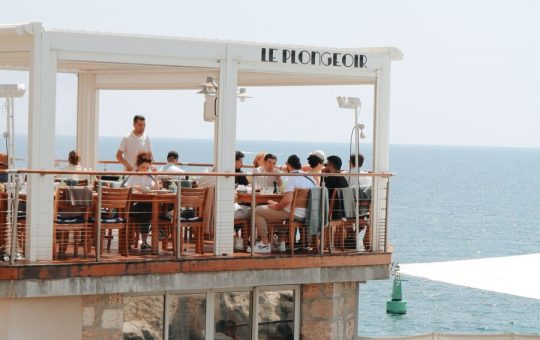
Related reading: Le Plongeoir in Nice, Blue Bay Monaco, Chrystie in Cannes.
Final Thoughts
It does not really mean a beach of excellence, but a luxury beach destination. It's the place to see art, dine and discover local history and travel from one city to another.
Wait for spring or fall of the year, in most places take the local train into and out of Nice. The addition of the village on top of the hill, the local market and one museum is self-explanatory in making the real taste of the coast.
There are a couple of things to note, but with a bit of planning, the circle of azzurre will be able to work with almost any budget and travelling style!
FAQs
1. Is the cote azzurre the same as the French Riviera?
Yes, they refer to the same coastal region. Côte d'Azur is the French name, and French Riviera is the common English name. "Cote azzurre" is a frequent search spelling for the same place.
2. How many days do you need on the cote azzurre?
Four to five days is enough to see the main towns without rushing. A week lets you add hill villages, hiking, or more beach time.
3. Which airport is best for the Riviera?
Nice Côte d'Azur Airport is the main and most convenient option. It is close to the city and has good transport links.
4. Is Monaco part of France?
No. Monaco is an independent principality, though it sits right on the coast between French towns. You can reach it easily by train from Nice.
5. Are the beaches sandy or pebbly?
Both exist. Nice has many pebble beaches, while some spots near Cannes and Antibes have sand. Check each beach before you go.
6. Can you visit without a car?
Yes. Trains and buses link the main towns, so a car is optional unless you want to reach remote villages.
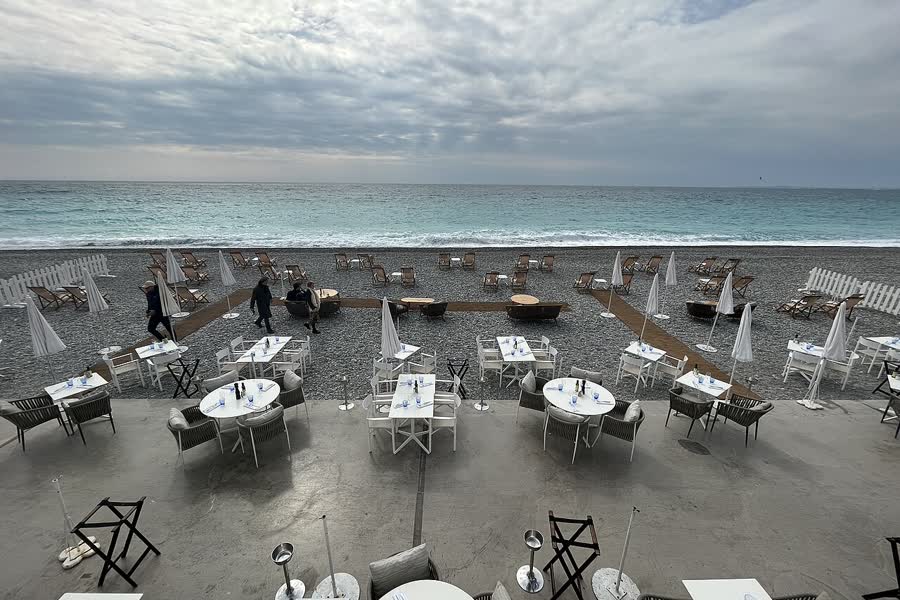
The Promenade des Anglais seafront in Nice. Photo: Wikimedia Commons (CC0).