Beneath the palms of the French Riviera, landlocked between wine vines and hills of Provence is a city where faith, art, and wine converge. One of the most famous wineries in the Var is the Château Sainte Roseline. It’s also the seat of a medieval chapel, which attracts pilgrims and art enthusiasts.
This guide includes information about the estate itself, its origins, the things you can see and taste, and how to plan your visit.
What Is Château Sainte Roseline?
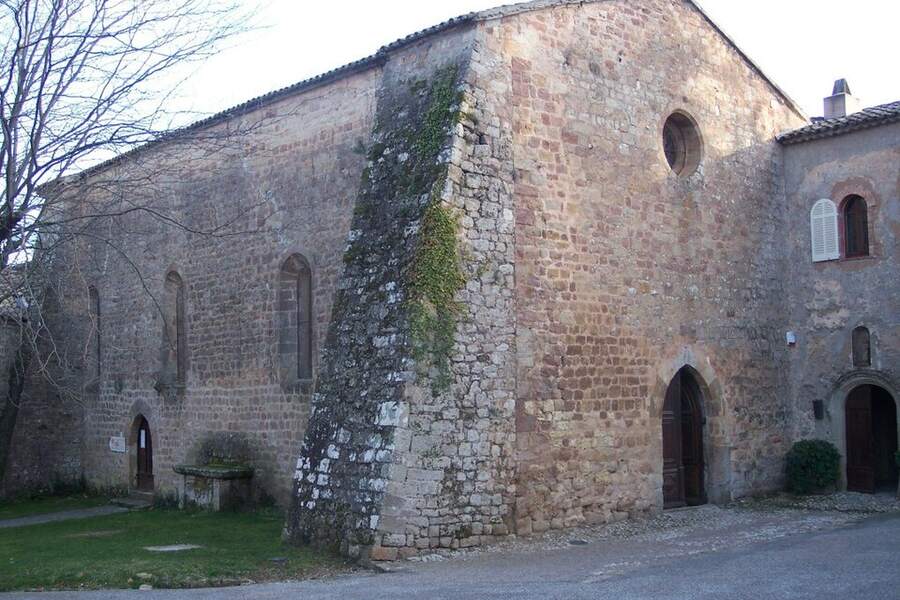
Château Sainte Roseline is a wine estate located near Les Arcs-sur-Argens in the Var department of Provence in France. It began as a medieval abbey and is currently producing Côtes de Provence wines – red, white and rosé. The estate is ranked as a Cru Classé de Provence. A Romanesque chapel with relics of Saint Roseline and a mosaic by Marc Chagall is also visited by visitors.
For more places to taste and stay in Provence, read our guides to Domaine de la Guicharde, La Coquillade and the French Riviera travel guide.
Quick Facts
|
Detail |
Information |
|
Location For wider travel inspiration in France, see the travel coverage at BBC Travel. |
Les Arcs-sur-Argens, Var, Provence |
|
Appellation |
Côtes de Provence |
|
Classification |
Cru Classé de Provence |
|
Wine styles |
Red, white and rosé |
|
Famous range |
Lampe de Méduse |
|
Main attractions |
Chapel, Chagall mosaic, wine tasting, art |
|
Nearby towns |
Draguignan, Les Arcs, Fréjus |
The History of Château Sainte Roseline
It begins at the Abbey of Celle-Roubaud. Dedicated to St Victor of Marseille, it was established in the 11th century by a monk called Roubaud.
The site changed hands several times over the centuries and was passed to the Christians. It was once in the possession of the Templars, the Benedictines, the Carthusians and the Observants.
The French Revolution is what changed all that. It was sold and the chapel was seized by the commune of Les Arcs, while the abbey was converted into the present-day château.
Wine is also very old here. The vineyards were first cultivated in the 12th century by monks. The history of Château Sainte Roseline is as much that of a farmer and a prayer as of an architect.
Who Was Saint Roseline?
The estate is named after a local noblewoman. Roseline was the eldest daughter of Arnaud de Villeneuve and Sybille de Sabran, and was born at the château of Les Arcs in 1263.
She went on to become a Carthusian nun. She is said to have had visions and was later to be mother superior of the community here. She died on 17 January 1329, aged 66.
Her story is still told in art. One of the miracles associated with her life is depicted in a wall mosaic in the chapel, entitled the “Meal of the Angels”. She is also said to be the patron saint of sailors.
The Chapel at Château Sainte Roseline
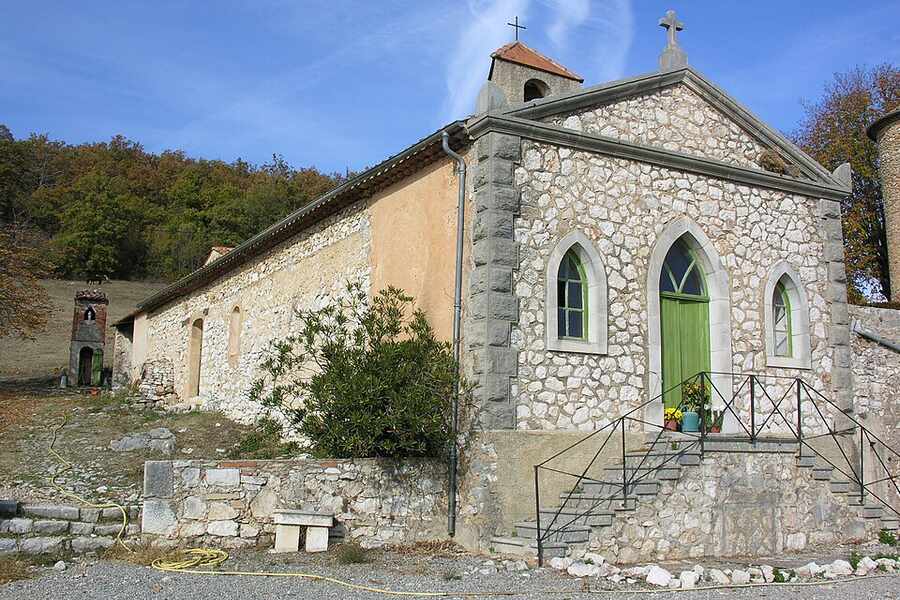
Many visitors come to the chapel for its centrality. It was constructed in the Provençal Romanesque style in about 1200. In the interior is a shrine with a crystal where the body of Saint Roseline is kept.
The chapel has been designated as a historic monument. Restored in the 20th century with the patronage of Adrien Maeght, contemporary art has been added with scrupulosity, in accordance with the spirit of the place.
Art You Can See
|
Artwork |
Artist |
Notes |
|
Wall mosaic, “Le Repas des Anges” |
Marc Chagall |
Dated 1975 |
|
Stained-glass windows |
Jean Bazaine and Raoul Ubac |
Part of the modern additions |
|
Doors, lectern and bas-relief |
Giacometti |
Sources differ on which family member made which piece |
|
12-panel polyptych |
Louis Bréa |
Listed among the chapel’s treasures |
The cloister is not open to the public. You can glimpse it through the gate to the right of the chapel.
Wines From Château Sainte Roseline
The estate is renowned for Côtes de Provence wines. It’s used to make red, white and rosé, which you can taste at a tasting.
There is a single range that stands out. The wine guides highlight the Lampe de Méduse wines for being particularly accomplished. The Le Prieuré and La Chapelle cuvées are also found on fine-wine markets but with older vintages.
Rosé is the most popularly associated style with Provence, and many visitors go to experience it. The reviewers report that the wines are in fine bottles. They also note that the prices are not low.
Simple Tasting Tips
- Begin with white or rosé before progressing to red.
- What cuvée is best for your meals?
- If you are not a French resident, be sure to consult the shipping regulations before purchasing.
Planning a Visit to Château Sainte Roseline
This estate is easily accessible by car. It is approximately 3 km from Les Arcs along the small D91 road and there is an A8 motorway exit 36 close by.
Chapel rules are subject to change. A region’s tourism website provides free access. According to a wine guide, visits will be by appointment. Before traveling, please check the official website.
Other things you may find on site:
- The winery is also an art gallery and has a sculpture park.
- Concerts are performed at the chapel during the summer months (July and August).
- Seasonal events: 1 commenter gave a positive review of the Christmas markets.
Best Time to Go
The grounds are walkable in the spring and early fall. Concerts take place in the summer and there can be heat. Winter can be a quiet and calm time of year. The estate is open to visitors round the year but activities and opening times change with the seasons.
Why Château Sainte Roseline Stands Out
This is a combination of layers in few Provence estates. Savor wine, visiting a Romanesque chapel and enjoying modern art all in a single day. The blend is uncommon and it is fair to say that Château Sainte Roseline is a great option for anyone with a taste for culture as well as vineyards.
It appeals to various types of visitors as well. The visitors are wine lovers, who come for the tastings. Chagall is the reason for the visit of art lovers. Pilgrims and history readers flock to Saint Roseline. Not only wine drinkers, but also people who don’t drink wine appreciate the chapel and the grounds.
Final Thoughts
Château Sainte Roseline is more than just a bottle of rosé. It has almost a thousand years of monastic history, a shrine to a saint and some of the best modern art in rural Provence.
Wine enthusiasts, make for the tastings. If you enjoy art or history, then choose the chapel. If desired, purchase the full package of three. First, review the hours and booking requirements, then take your time to slow down. Château Sainte Roseline does.
FAQs
Where is Château Sainte Roseline located?
It is in Les Arcs-sur-Argens, in the Var department of Provence. The site is a short drive from Les Arcs, Draguignan and the A8 motorway.
What wines does Château Sainte Roseline make?
It makes Côtes de Provence red, white and rosé wines. The Lampe de Méduse range is one of the best-known lines, and Le Prieuré and La Chapelle are other known cuvées.
Is the chapel at Château Sainte Roseline free to enter?
Sources disagree. One tourism site lists free access, while a wine guide mentions pre-booked visits. Check the estate’s official site for current rules.
Who painted the Chagall piece at Château Sainte Roseline?
Marc Chagall made the mosaic, dated 1975. It shows the “Meal of the Angels,” a miracle tied to Saint Roseline’s life.
Can I do a wine tasting at Château Sainte Roseline?
Yes, tastings are offered at the estate. Opening times and booking rules can change, so confirm before you go.
How much time should I plan for a visit?
Allow about two to three hours to see the chapel, walk the grounds and taste wine. This is a general suggestion, not an official figure. Add time if you plan to eat on site or attend an event.