A diving board is called “plongeoir” in French. Locate one in a swimming pool, lake, beach or sports centre. It’s well-liked by many. Some have a fear of it. Everybody has a first time. Everyone experiences a first time of jumping.
When you’re looking for le plongeoir, you likely want to find out what it is, how it can operate, or how you can use it safely. This guide simplifies all three of the above questions.
What Is Le Plongeoir?
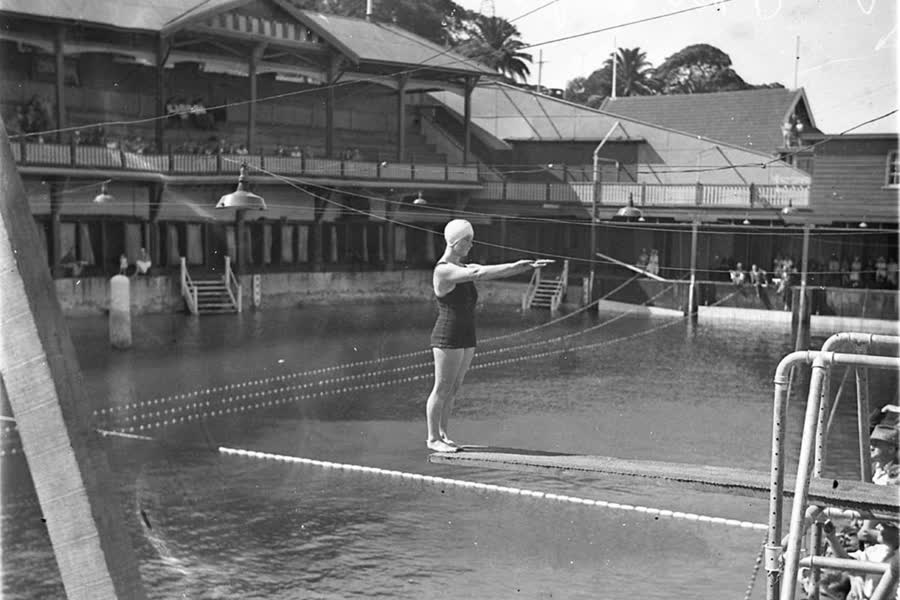
The plongeoir is a platform that protrudes over the water. One person walks to the end, jumps and steps into the water. It is one of the world’s best-known pool equipment items.
You may also like our guides to Le Plongeoir Nice, Blue Bay Monaco and the French Riviera.
Its origin is from the French verb plonger, which translates to English as “to dive. The translation of le plongeoir is most commonly “diving board. It can also be referred to as “springboard” or “diving platform.
It can also be a place to jump that is permanent such as a pier, rock, or bank of a river. So, a plongeoir isn’t necessarily a sport board. In some instances it’s just a spot where individuals simply jump in the water for amusement.
The Main Types of Plongeoir
Not every plongeoir is built the same way. The type you use changes how the jump feels and how much skill you need.
Springboards
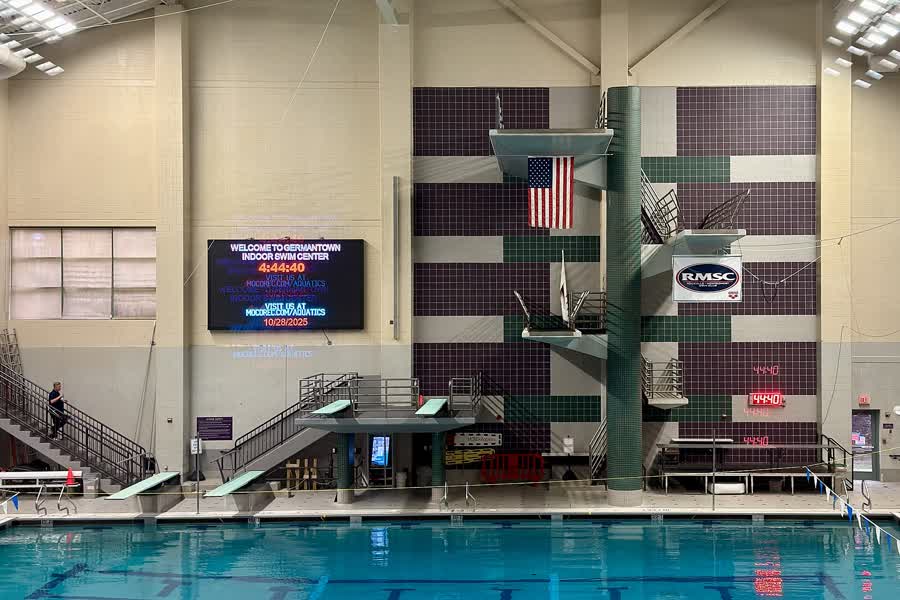
A springboard is flexible. It bends when you jump and pushes you back up into the air. In competitive diving, springboards are set at 1 metre and 3 metres above the water.
This bounce gives divers extra height. It also takes practice to control.
Platforms
A platform is solid and does not bend. In competition, platforms are set at 5, 7.5 and 10 metres. The diver must create all the lift with their own legs.
Because of the height, platform diving needs strong technique and proper coaching.
Pool and Recreational Boards
Most public pools use a simple, low board with a non-slip surface. These boards are made for fun and learning, not for competition. They are usually the best place for a beginner to start.
Natural Jumping Spots
Lakes, rivers and coastal areas often have rocks or wooden platforms used for jumping. These spots have no standard height. The water below may also change with weather and season, so they need extra care.
How Does Le Plongeoir Work?
The function of a springboard is similar to that of a spring. The board is pushed down by your body weight. The board then is pushed back into its normal shape and pushes you up.
The first small jump is referred to as a ‘hurdle’ by divers. It provides the momentum and energy to go up on take-off. The diver then lies on the end of the board, flexes it and then pulls off.
In many competition springboards, the springboard is supported by an movable platform called a fulcrum. Changes the firmness or softness of the board when it is moved. Softer setting offers greater rebounding properties. A more solid setting is more controllable.
The fixed platform is completely without any bounce. The diver strolls to the end, places the body and jumps. All parts of the movement originate from the divers.
Basic Safety Rules for Le Plongeoir
Safety is more important than fashion. The majority of injuries occur when people neglect to follow basic safety guidelines. Make a habit of doing these:
- Don’t jump into water unless you first check how deep it is.
- Have only one person at a time on the board.
- Check below to ensure landing area is unfrozen.
- Never run on or push people on the board.
- Jump directly out and not sideways.
- When at the surface, swim out of the landing area.
- Pay attention to the pool staff or lifeguard.
The additional care needed for a natural lake or the sea. Only use le plongeoir outdoors when there are no rocks, weeds, boats or strong currents. There is potential for hidden objects and water levels to vary.
Avoid jumping when tired, cold or sick. Such moments you have a weak balance and reaction time.
How to Use Le Plongeoir for the First Time
Start slowly. The approach is step-wise and calm and builds trust and skills. Just a walk that many beginners take:
- Climb with care. Keep feet dry and stable, use rails.
- Walk to the end. Take small steps (controlled).
- Jump feet first. Prevent the body from bending and hands turning out.
- Swim away, on the surface or underwater. Quickly get as far away from the pool as possible.
- Add skills later. Sitting or kneeling, then standing, for a dive, with coach nearby.
- Do not skip steps. These set up the next set.
Common Mistakes Beginners Make
Most beginner mistakes come from rushing. Watch for these:
- Jumping without checking the water depth.
- Skipping the pool rules or ignoring the lifeguard.
- Running or bouncing too hard before learning the basics.
- Going up to a higher board before feeling ready.
- Jumping when tired, cold or distracted.
Tips to Build Confidence
Fear of heights is normal. The good news is that confidence grows with practice.
Le plongeoir looks much higher from the top than it does from the ground. Take a minute to stand calmly and breathe slowly before you jump. This helps your mind settle.
Try these simple ideas:
- Watch other people jump first.
- Start with a low board and move up over time.
- Set small goals, such as one clean jump per session.
- Ask a coach to give feedback on your form.
- Rest when you feel tired. Do not force a jump.
Progress does not need to be fast. A safe, steady pace works better than a brave but careless jump.
Health and Fitness Benefits of Diving
Diving is more than a thrill. This is also an excellent method of creating body sensations.
Practice makes perfect for balance, flexibility and core strength. It also serves as a training for timing and control. When it comes to conquering fear, it can be really challenging and thus gives a lot of folks a sense of self-confidence.
Good technique and safe practices ensure these benefits are achieved. With proper coaching, you can gain them without being injured.
Le Plongeoir as a Place Name
Le Plongeoir is also used as a name. It may be viewed at a café, bar, restaurant or at a waterside location. It is fitting to water based sites.
If you are searching specifically for a Le Plongeoir, you can also add the town/area to the search. This will make it easier for you to find it and ensure you don’t mix it up with other people with the same name.
How to Choose a Safe Place to Dive
The place matters as much as the skill. Before you try le plongeoir, look for these signs:
- Clear depth markings on the pool wall or edge
- A lifeguard or trained staff on duty
- A board that is clean, firm and non-slip
- Enough open space around and below the board
- Posted rules that are easy to read
If something looks unsafe, do not use it. Tell the staff or the owner instead.
Final Thoughts
The plongeoir could be a simple board over the water, a sporting item or a favourite summer spot. The same rules apply in each scenario. Be familiar with the type you are using, observe the rules and practice your skill gradually.
Safety comes first. Look at the water, jump with control and never be forced to go into a dangerous position. The fear will be eliminated and the fun will be added by sloth and good habits.
When you next hit the end of the board, relax and look forward, breathe and jump!
FAQs
What does le plongeoir mean in English?
It means “diving board.” Depending on the setting, it can also be translated as “springboard” or “diving platform.”
Is a plongeoir the same as a springboard?
Not always. A springboard is a flexible type of plongeoir that bounces. A platform is solid and does not. The French word covers both, and it can also describe simple jumping spots.
How high is a plongeoir?
It depends on the place. In competition, springboards are 1 and 3 metres, and platforms are 5, 7.5 and 10 metres. Public pools and natural spots often use lower or different heights.
Is le plongeoir safe for beginners?
It can be, if you follow the rules. Start on a low board, check the water depth, jump feet first and use the board only when the area is clear. A coach or lifeguard nearby adds more safety.
Can children use a plongeoir?
Many pools allow it, but rules vary. Children should be supervised, should be able to swim well and should follow the posted age and height guidelines.
How can I get better at diving?
Join a class or a local diving club. A coach can teach correct form, build your confidence step by step and help you avoid common errors.